
Clinical workflow intelligence for neurological emergencies.
NeuroBridge develops clinical workflow technologies designed to help specialists access structured information quickly while preserving clinical judgement.
StrokeFlow NeuroBridge's first clinical workflow solution, built for the acute stroke pathway.
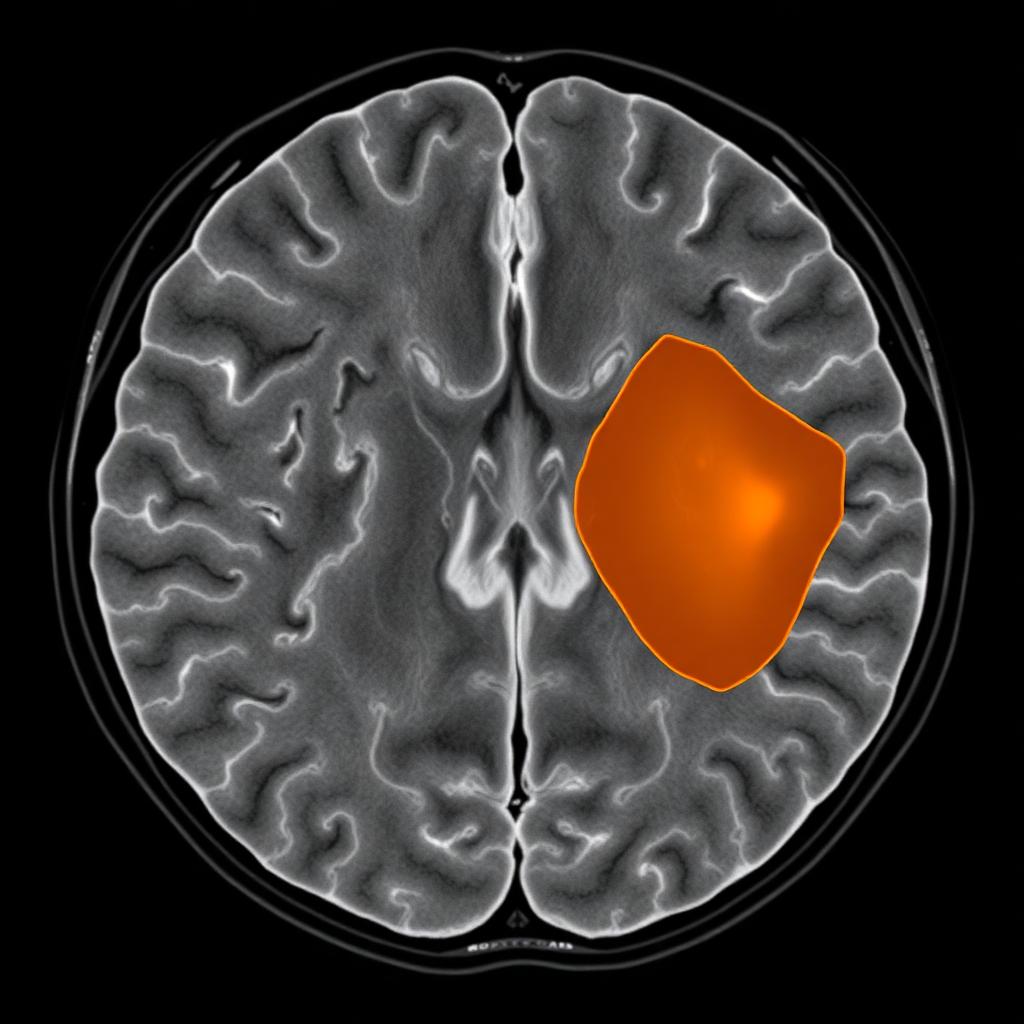
Some clinical decisions can't wait in a queue.
Neurological emergencies compress hours of decision-making into minutes. Imaging is subtle, the stakes are irreversible, and the answer often depends on a single radiologist reading amid a stream of unrelated studies.
StrokeFlow is being designed for that moment — a calm, structured second read intended to arrive before the radiologist opens the case, so the clinical team can move sooner, together, with the same picture in front of them.
A workflow measured in minutes.
StrokeFlow is being designed to reduce unnecessary friction between image acquisition, specialist review and structured reporting.
Figures shown are illustrative — an example case timeline and prototype targets, not validated clinical performance.
Built for every part of the stroke team.
One shared clinical picture, adapted to how each specialist works.
Radiologists
- Structured second read
- Prioritized worklist
- Consistent reporting
Neurologists & stroke teams
- Faster communication
- Shared case visibility
- Clear treatment coordination
Hospital leadership
- Standardized documentation
- Process transparency
- Future-ready architecture
One patient. One connected workflow.
Every stage — from the ED door to the treatment decision — shares one common clinical thread.
- Step 01Patient arrives
- Step 02Stroke code
- Step 03CT acquisition
- Step 04PACS
- Step 05StrokeFlow
- Step 06Radiologist
- Step 07Signed report
- Step 08Treatment
Designed around clinicians.
StrokeFlow is shaped by the way stroke teams already work — not the other way around.
Works with existing processes
Designed to plug into the imaging and reporting systems clinical teams already use, without changing their habits.
Supports — never replaces — clinical expertise
Every output is meant to be reviewed, adjusted and confirmed by a qualified radiologist before it reaches the rest of the team.
Structured information, not a black box
Findings appear as a clear, editable structure — traceable back to the images they came from.
Built on principles of responsible development.
Six principles shape every design choice, every model release and every clinical integration.
Human oversight
A qualified clinician reviews and confirms every output that reaches the patient record.
Clinical transparency
Structured findings with traceability back to the supporting image evidence.
Security
User-attributed actions, versioned reports and full audit of the entire workflow.
Interoperability
Designed to fit inside existing imaging, reporting and communication systems.
Evidence-driven development
Built and refined with radiologists and stroke neurologists using real clinical cases.
Regulatory readiness
Development practices aligned with clinical-grade software expectations.